How often do we look back to that “In the Beginning” or “in the good old days” thought as the basis for comparison. We should use the beginning as the starting point of any serious discussion but instead we often cut away to what feels good, is familiar or what is popular.
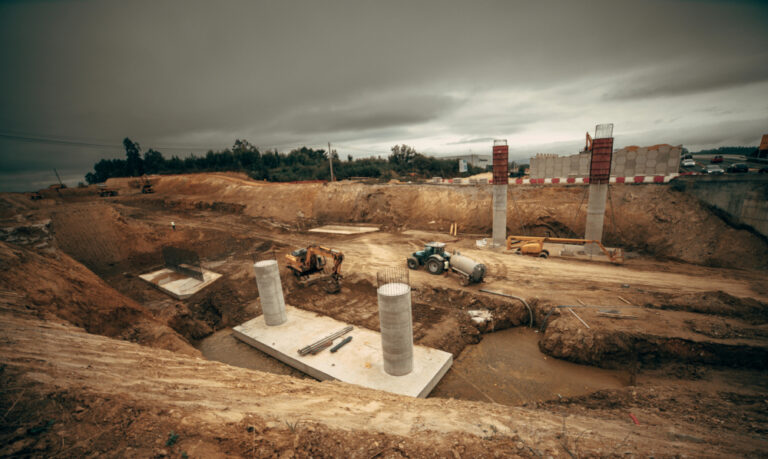
How often we forget the base upon which something is built. How often do we admire a building and pay no homage to the foundation? How many arguments about the merits of iPhone versus Android smartphones begin with the source code engaged by the applications, the OS (operating system) of that device or even the applications running on the structure of the device OS?
Politics, philosophies, principles, practices all have underlying foundations but typically we engage only about the most apparent elements and ignore the basis upon which the structure is built.
There is an ancient parable about the builder who sets out to build a house and is soon faced with the expediency of finishing. Who doesn’t want it to look impressive, substantial but also to be done, move-in-able? How much time does the builder want to spend on the unseen, that which is hidden from sight of the end-user? From the footings (under the foundation), to the strength of the foundation, to the dimensions and quality of the framing lumber, the size and type of plumbing, electrical, heating and ventilation components – these are all going to be unseen and yet take time and significant monies to provide appropriately. Would it not be equally prudent to go lightly on these and add quality to the finishings, that which will be more apparent and readily appreciated?
Back in the parable, the two types of structures are completed, apparently enjoyed for a time, but then comes a time of evaluation of the quality of construction. While both looked good, were comfortable, appreciated, even praised by observers, there comes a time of evaluation of the merits of the basics. Yes, the one house was built at a lower cost as the structure really didn’t have footings under it and the money saved could be put into finishings or quicker occupancy and the other took longer and cost more but…
The one with the quicker beginning–the forgotten basics–in the time of evaluation (storm in the parable), collapses for lack of footings. Yes, it looked fine, appealed, comforted, was valued, probably even taxed, but then came the evaluation. Stress, hardship, trial, turmoil, storms. Collapse. No lasting value. Loss.
Whose fault was the loss? The builder? The occupant? The government? Was expediency worth more than value? Were shortcuts worth the consequences?
These are the perspectives we will often come back to in these blogs. Truth is the basis upon which Beliefs and then Actions must rest.
Keep engaged. Don’t stop thinking about what you believe.